Source biodegradable acrylic resin for Paint, Wood, and Plastic
Compare 30 listings for biodegradable acrylic resin suitable for paint, wood, and plastic applications. Buyers can evaluate specifications like viscosity, curing speed, and packaging options from verified suppliers in China; compare the available evidence and request quotations based on your requirements.
Key considerations
Products List



Comprehensive Sourcing Guide
Biodegradable Acrylic Resin Sourcing Guide
Sourcing biodegradable acrylic resin requires careful alignment of material properties with end-use requirements, particularly when targeting eco-conscious markets. While the term "biodegradable" suggests specific environmental degradation pathways, the supplied product data highlights a diverse range of acrylic-based oligomers and resins, including low hydroxyl value types, modified epoxy acrylates, and water-based solid variants. Buyers must distinguish between general industrial acrylics and those specifically engineered for biodegradability, as the latter often involve distinct monomer structures or additive profiles not explicitly detailed in standard industrial listings.
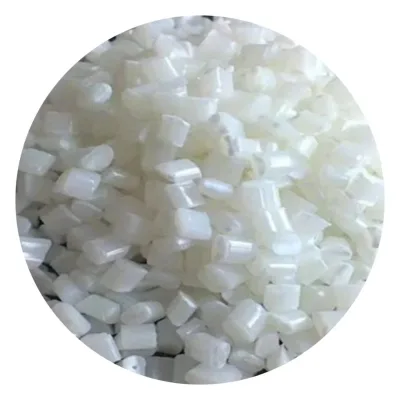
The observed market signals indicate a strong presence of manufacturers in Guangdong, China, offering products in various forms such as clear liquids, transparent solids, and natural appearances. These materials are frequently packaged in drums or barrels, ranging from 20kg to 200kg capacities, suggesting scalability for both pilot projects and mass production. Procurement teams should verify whether the "biodegradable" claim applies to the final cured coating or the raw resin itself, as this distinction significantly impacts regulatory compliance and end-of-life management strategies for the finished goods.
Product Scope and Observed Listing Signals
The current supply landscape features a wide array of acrylic derivatives, including double-component polyurethane paints, plastic paints, and UV-curing coatings for wood and plastic applications. Products like the TY204-50 and TY208-60L models demonstrate the versatility of acrylic resins in industrial settings, with some listings emphasizing organic acid advantages and others focusing on chemical resistance and fast curing properties. Buyers should note that while many products are labeled as "industrial grade" or "first class," the specific biodegradation mechanisms are not uniformly disclosed, requiring direct inquiry into the molecular structure and intended disposal conditions.
Listing attributes reveal a focus on functional performance, such as high hardness, good extinction, and low viscosity, which are critical for coating and ink formulations. The presence of CAS numbers like 79-10-7 and 26300-51-6 indicates that some suppliers provide specific chemical identifiers, aiding in precise material identification. However, the term "biodegradable" is not consistently paired with these identifiers in the observed data, suggesting that buyers must actively filter for suppliers who explicitly certify biodegradability rather than assuming it based on general acrylic resin classifications.
Technical Specifications to Verify
Technical verification must begin with the molecular principal chain and functional group analysis, as these determine the resin's reactivity and final film properties. For instance, modified epoxy acrylates with six functional groups offer high cross-linking density, resulting in superior chemical resistance and hardness, which may be desirable for durable coatings but could hinder biodegradation rates. Buyers should request detailed viscosity data, such as the 15,000-35,000 cP range observed at 25°C, to ensure compatibility with their application equipment, whether it involves spray coating, brushing, or roller application.
Shore hardness values, ranging from 75D to 85D in observed listings, provide insight into the flexibility and rigidity of the cured resin. Low viscosity variants, such as the HT7602 epoxy resin with two functional groups, may be better suited for flexible substrates or rapid curing processes. Procurement teams should also verify the efficient content and purity levels, as impurities can affect both the performance of the final product and its environmental impact, ensuring that the resin meets the specific technical demands of the intended application without compromising sustainability goals.
Compliance and Safety Documentation
Compliance verification is paramount when sourcing materials marketed as biodegradable, as regulatory frameworks vary significantly across regions. While some listings mention ISO9001:2008 certification, this quality management standard does not inherently validate biodegradability or environmental safety. Buyers must request specific environmental certifications, such as those related to compostability or aquatic toxicity, to ensure that the resin meets local disposal regulations. The absence of explicit biodegradation test results in the observed data underscores the need for rigorous documentation review before committing to large-scale purchases.
Safety data sheets (SDS) should be scrutinized for hazardous substance declarations, particularly regarding volatile organic compounds (VOCs) and residual monomers. Although some products are described as "water-based" or "transparent," indicating potentially lower VOC profiles, buyers must confirm that these formulations do not contain prohibited substances under REACH or RoHS directives, even if these standards are listed as low-confidence background information. Ensuring that the supplier can provide up-to-date SDS and environmental impact assessments is crucial for maintaining compliance and protecting brand reputation in eco-conscious markets.
Cost Drivers and Commercial Terms
Cost structures for acrylic resins are influenced by raw material volatility, packaging requirements, and order volume. The observed price range of $0.5 to $1900 USD reflects significant variation based on product complexity, purity, and functional attributes. High-performance variants, such as those with specific UV-curing capabilities or chemical resistance, typically command higher prices due to specialized synthesis processes. Buyers should analyze the cost per kilogram, considering that packaging formats like 200kg iron drums may offer economies of scale compared to smaller 20kg or 50kg barrels.
Minimum order quantities (MOQs) ranging from 1 to 30,000 units provide flexibility for both small-scale testing and large-volume production. However, buyers must negotiate terms that align with their inventory management strategies, as high MOQs can tie up capital and storage space. It is advisable to request tiered pricing structures that reward larger commitments while allowing for initial trial orders. Additionally, understanding the lead times and shipping terms is essential, as delays in resin supply can disrupt production schedules, particularly for just-in-time manufacturing environments.
Supplier Qualification and Quality Control
Supplier qualification should prioritize manufacturers with established track records in acrylic resin production and a commitment to quality consistency. The concentration of suppliers in Foshan and Guangdong, China, indicates a robust industrial ecosystem, but buyers must conduct due diligence to verify production capabilities and quality control protocols. Requesting samples for performance testing is a critical step, allowing buyers to assess viscosity, curing speed, and adhesion properties against their specific application requirements.
Quality control measures should include batch-to-batch consistency checks, with suppliers providing certificates of analysis (CoA) for each shipment. Buyers should inquire about the supplier's ability to maintain stable supply chains and their protocols for handling deviations in product specifications. Establishing a clear communication channel for technical support and issue resolution is also vital, as it ensures that any quality concerns can be addressed promptly, minimizing production downtime and maintaining the integrity of the final product.
Long-Term Procurement Checks
Long-term procurement success depends on continuous monitoring of supplier performance and market trends. Buyers should establish key performance indicators (KPIs) related to delivery reliability, product quality, and responsiveness to technical queries. Regular audits of supplier facilities, if feasible, can provide insights into their manufacturing processes and commitment to sustainability practices. Additionally, staying informed about advancements in biodegradable resin technologies can help buyers identify innovative solutions that offer better performance or environmental benefits.
As regulatory landscapes evolve, buyers must remain agile in adapting their sourcing strategies to comply with new environmental standards. Building strong relationships with suppliers who are proactive in compliance and innovation can provide a competitive advantage. Periodic reviews of the supply base, including the evaluation of alternative suppliers, ensure that the procurement strategy remains resilient and aligned with the company's long-term sustainability and operational goals.
FAQs
What types of acrylic resin are available for paint applications?
Various acrylic resin types are available, including low hydroxyl value kinds and modified epoxy acrylates. These materials serve as key components in double-component polyurethane paints and plastic paints. Buyers can select from liquid natural appearances or clear transparent forms depending on their specific coating requirements and desired finish properties.
Can customized packaging be provided for bulk orders?
Yes, customization is available for packaging needs. Products are typically packed in drums, iron drums, or barrels with standard weights like 200kg or 20kg. This flexibility allows buyers to choose packaging that best suits their logistics, storage capabilities, and handling requirements for large-scale industrial procurement operations.
Which certifications ensure quality for industrial acrylic resins?
ISO9001:2008 certification is a key quality standard for these industrial acrylic resins. This certification ensures that manufacturing processes meet international quality management requirements. Buyers relying on this standard can trust the consistency and reliability of the chemical products supplied for various industrial applications and coating formulations.
How does viscosity affect the application of these resins?
Viscosity levels vary, with some products showing low viscosity and others ranging from 15,000 to 35,000 at 25 degrees Celsius. These physical properties directly influence how the resin flows and cures in UV coatings or inks. Selecting the correct viscosity ensures optimal performance in wood, plastic, or marine construction applications.
What are the primary uses for water-based solid acrylic resin?
Water-based solid acrylic resin is primarily used in construction, footwear, leather, packing, and woodworking industries. Its high purity and water-based formulation make it suitable for diverse applications requiring durable and environmentally friendly coatings. This versatility supports various manufacturing processes across multiple industrial sectors globally.